



To mark World Physiotherapy Day, the Vicenza-based company highlights how some of its therapeutic solutions contribute to post-stroke recovery, providing tangible support for the work of healthcare professionals.
In Italy, data from the Italian Health Examination Survey—”Progetto Cuore” (Heart Project), conducted by the ISS for the 2023–2025 period—indicate that cardiovascular diseases cause over 230,000 deaths annually. They thus represent the leading cause of death (41% of the total) among the adult population (aged 18–69) presenting three or more risk factors (hypertension, high cholesterol, smoking). Stroke is the third leading cause of death and the primary cause of disability, accounting for approximately 200,000 new cases per year (80% new episodes and 20% recurrences). Consequently, the theme of the 2026 edition of World Physiotherapy (8 September), which focuses specifically on cardiovascular diseases and stroke, is highly relevant.
According to clinical data and the estimates from the Italian Society of Neurological Rehabilitation and industry associations, 33% of patients regains full independence following a stroke, while a similar percentage (1 in 3 patients) suffers from severe, permanent disability that compromises their ability to live independently. It follows that early access to rehabilitation care and the design of a highly personalised recovery plan—incorporating both targeted physiotherapy sessions and specific therapies—are crucial for achieving the best possible recovery outcomes.
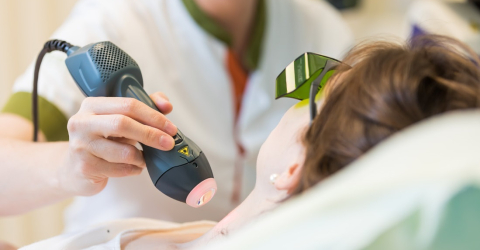
Various clinical studies have confirmed the notable effectiveness of the ASA therapeutic solutions — MLS® Laser Therapy, Hilterapia®, and Qs Magnetotherapy — specifically during the post-stroke rehabilitation phase. When combined with physiotherapy, MLS® has proven valuable in treating the hemiplegic shoulder - a potential consequence of a stroke - contributing to a significant reduction in pain and muscle spasticity, improved functionality, and to restoring greater autonomy in daily activities.

“The 2025 study by Başaran et al.”, explains Davide Travalin, Clinical Manager at ASA, “shows that MLS® Laser Therapy can provide valuable support for the rehabilitation of stroke patients. Integrating this treatment with physiotherapy sessions not only yields tangible results regarding pain relief and functional recovery but also helps patients participate in the rehabilitation process with greater consistency and motivation, thereby improving their quality of life”.
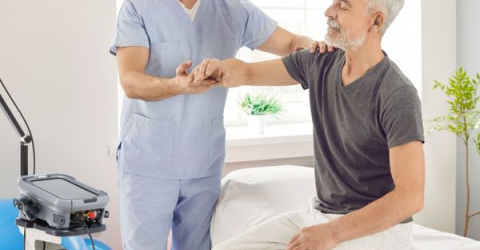
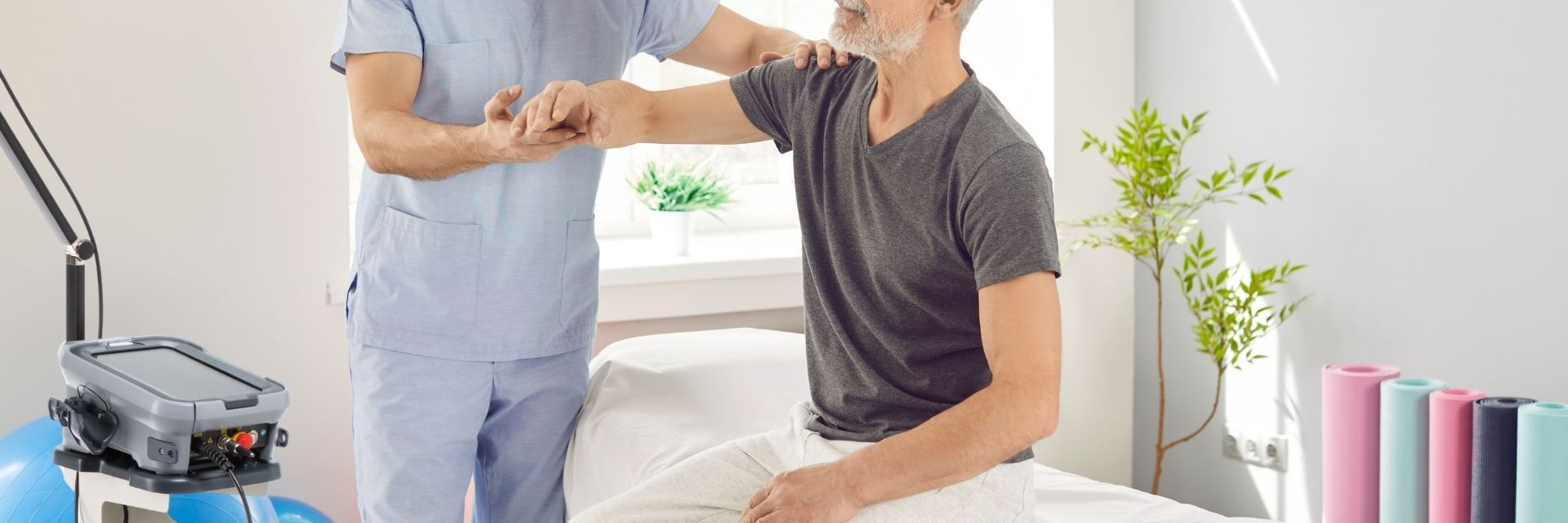
ASA therapies—which are non-invasive, well-tolerated, and easily integrated into rehabilitation programs—also serve as useful aids for rehabilitation professionals, as highlighted by numerous other scientific publications:

High-Intensity Laser Therapy for Hemiplegic Shoulder Pain: An Investigation of Efficacy
E. Bilir, O. Kara, S.G. Atalay, Ö. Tezen, Ö. Uzun, İ. Karaköseoğlu
Hitit Medical Journal, 7(2):262-272, 2025

Comparative effectiveness of high-intensity laser therapy and ultrasound therapy for hemiplegic shoulder pain in stroke patients: a randomized controlled trial
P. Dajpratham, R. Pongratanakul, T. Satidwongpibool, N. Kluabwang, P. Akkathep, T. Claikhem
Topics in Stroke Rehabilitation, 25:1-9, 2024
Effect of high-intensity laser therapy versus shockwave therapy on selected outcome measures in osteoporotic long-term hemiparetic patients: a randomized control trial
T.I.A. Elyazed, I.M. Al-Azab, A.A.E.A. El-Hakim, S.M. Elkady, R.M.M. Afifi, H.E. Obaya
Journal of Orthopaedic Surgery and Research, Volume 18: 653, 2023

Efficiency of high-power laser versus pulsed electromagnetic therapy on hemiplegic shoulder pain
A.M. El Sayed, E.S. Fayez, A.K. Mohamed, H.M. Elsayed
International Physical Therapy Conference Cairo University, 4(1) 1-18, 2025
Efficacy of exercise and electromagnetic field therapy on cardiovascular disease risk in patients with type 2 diabetes mellitus. Randomized controlled trial
A.A.M. Abdelaal, A.A. Khushhal, A.A. Ebid, A.R. Ibrahim
American Journal of Cardiovascular Disease, 15(6):509–521, 2025


L'accesso alla visualizzazione dei prodotti e al materiale informativo è riservato agli operatori del settore in ottemperanza alla legislazione vigente. ASA richiede di qualificarsi come operatore del settore per procedere con la navigazione.
Decreto Legislativo 24 febbraio 1997, n°46 Articolo 21
1. E' vietata la pubblicità verso il pubblico dei dispositivi che, secondo disposizioni adottate con decreto del Ministro della Sanità, possono essere venduti soltanto su prescrizione medica o essere impiegati eventualmente con l'assistenza di un medico o di altro professionista sanitario.
2. La pubblicità presso il pubblico dei dispositivi diversi da quelli di cui al comma 1 è soggetta ad autorizzazione del Ministero della Sanità. Sulle domande di autorizzazione esprime parere la Commissione di esperti prevista dall'articolo 6, comma 3, del decreto legislativo
30 dicembre 1992, n. 541, che a tal fine è integrata da un rappresentante del Dipartimento del Ministero della Sanità competente in materia di dispositivi medici e da uno del Ministero dell'Industria, del commercio e dell'artigianato.
Some of the contents of this website cannot be disclosed in the USA and its territories and possesions, for regulatory reasons. If you are a US resident, please click on the button here below and access ASA's distributor website for North America.