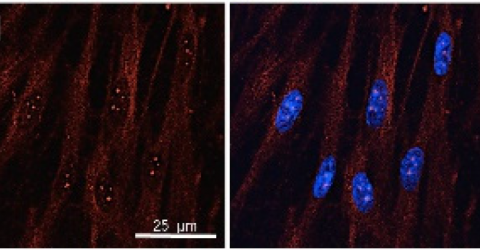


Photobiomodulation (PBMT) is an evolving field of research, with growing interest towards its biological effects on tissues, particularly in modulating inflammatory processes. A recent experimental study contributes to this context, further exploring the biological rationale of ASA laser technologies through the controlled evaluation of specific treatment parameters.
The study analyses the effect of near-infrared (NIR) PBMT in an ex vivo model of bronchopulmonary dysplasia (BPD), using ASA devices based on MLS® (Multi-Wave Locked System) technology and lung tissue that preserves its architecture and biological complexity.
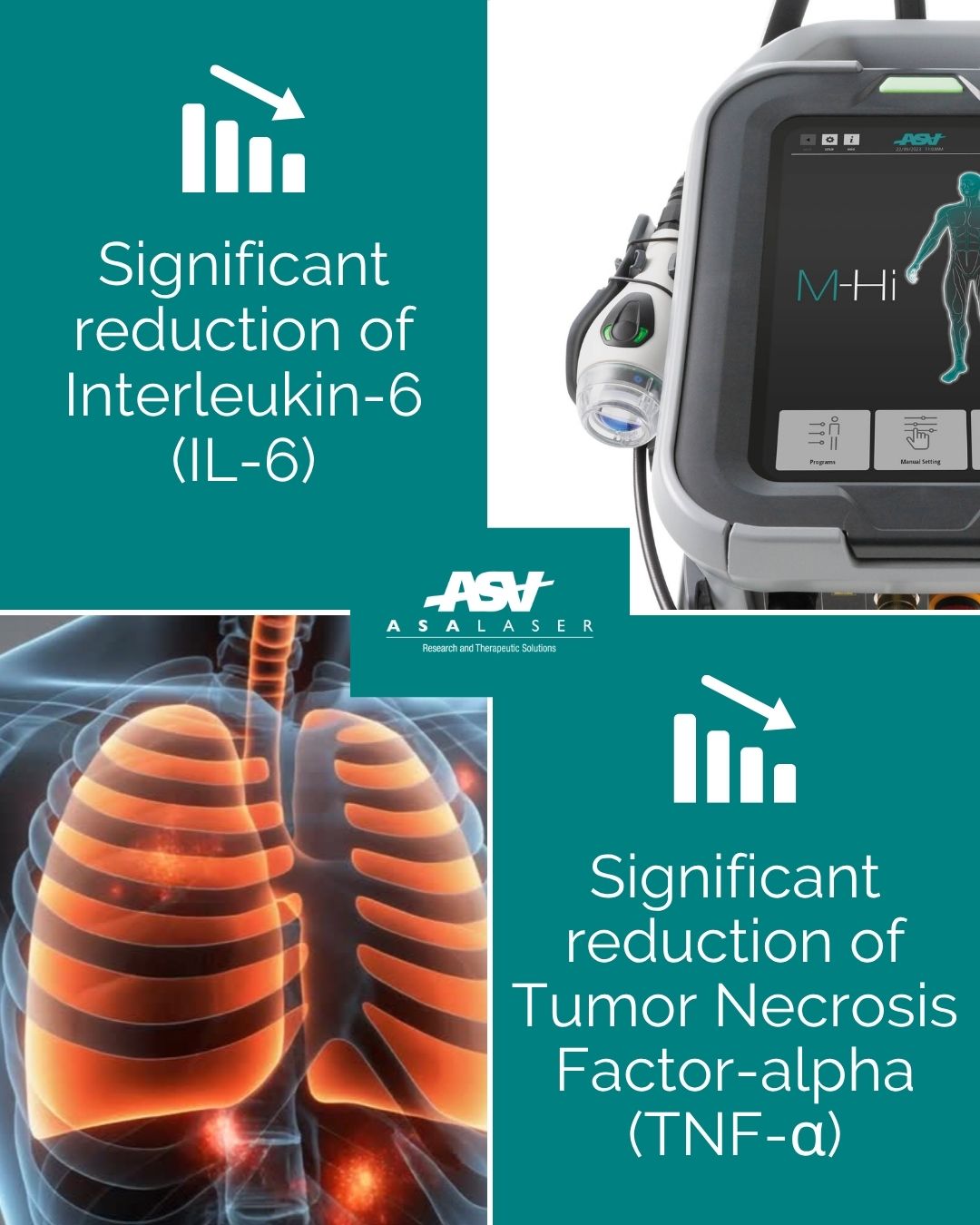
The primary endpoints considered are two key markers of inflammation:
The objective is not to demonstrate the "generic" efficacy of PBMT, but to understand how specific energy delivery modes influence the biological response, specifically using MLS® Laser Therapy.
Near-Infrared Laser Photobiomodulation reduces pro-inflammatory cytokines in an in vitro model of bronchopulmonary dysplasia: a preliminary report
C. Dani, C. Fazi, F. Cialdai, C. Risaliti, L. Notari, M. Monici
Medical Sciences, 14(1), 152; 2026
Three protocols were tested with comparable energy density (~7 J/cm²), but varying:
This approach allows isolating the role of the energy delivery mode, an aspect often underestimated in clinical practice.


The data reveal several significant findings:
In summary, a key concept emerges: it is not just the dose (energy density J/cm²) that determines the effect, but the way the energy is delivered.
These results fit consistently with the biphasic response model of PBMT, according to which:
The study also connects to an already established line of research:
This work adds a significant element: it provides direct evidence, in a controlled model, of the modulation of key inflammatory markers.
It is important to contextualise the results:
The study should therefore be considered exploratory and hypothesis-generating, but it represents a methodologically relevant step.
The evolution of photobiomodulation (PBMT) increasingly depends on a conscious and targeted management of parameters, supported by solid experimental evidence.


L'accesso alla visualizzazione dei prodotti e al materiale informativo è riservato agli operatori del settore in ottemperanza alla legislazione vigente. ASA richiede di qualificarsi come operatore del settore per procedere con la navigazione.
Decreto Legislativo 24 febbraio 1997, n°46 Articolo 21
1. E' vietata la pubblicità verso il pubblico dei dispositivi che, secondo disposizioni adottate con decreto del Ministro della Sanità, possono essere venduti soltanto su prescrizione medica o essere impiegati eventualmente con l'assistenza di un medico o di altro professionista sanitario.
2. La pubblicità presso il pubblico dei dispositivi diversi da quelli di cui al comma 1 è soggetta ad autorizzazione del Ministero della Sanità. Sulle domande di autorizzazione esprime parere la Commissione di esperti prevista dall'articolo 6, comma 3, del decreto legislativo
30 dicembre 1992, n. 541, che a tal fine è integrata da un rappresentante del Dipartimento del Ministero della Sanità competente in materia di dispositivi medici e da uno del Ministero dell'Industria, del commercio e dell'artigianato.
Some of the contents of this website cannot be disclosed in the USA and its territories and possesions, for regulatory reasons. If you are a US resident, please click on the button here below and access ASA's distributor website for North America.