Complex wound healing: 3D Bioprinting and Laser Therapy

21 April 2026 - Research

The management of complex wounds remains a significant clinical challenge, especially in cases of tissue loss, deep burns, or chronic conditions. Conventional treatments require repeated interventions, highly specialised skills, and high costs, with results that are not always optimal. 
In this context, cutting-edge research is exploring integrated approaches capable of simplifying procedures and improving regenerative efficacy. A concrete example comes from a recent study combining in situ 3D bioprinting and NIR laser photobiomodulation, opening up new perspectives for wound care. 

An integrated approach to tissue regeneration

The study developed an innovative protocol based on four key steps:

  1. 3D bioprinting directly in the wound (in situ) 
  2. Use of bioinks biocompatible with human dermal fibroblasts 
  3. NIR (near-infrared) laser irradiation to stimulate biological processes 
  4. Histological and molecular analysis of the results

The goal is twofold:

  • to rapidly restore the skin barrier
  • to promote graft integration and accelerate healing. 

The central role of fibroblasts

In the healing process, fibroblasts play a crucial role throughout all phases—inflammation, proliferation, and remodelling—coordinating the cellular response and the production of extracellular matrix. 
In the model studied:

  • the fibroblasts incorporated into the bioink promote re-epithelialisation
  • contribute to neo-angiogenesis and tissue remodelling 
  • can differentiate into myofibroblasts, essential for wound closure 

Photobiomodulation: a biological accelerator

The integration of NIR laser therapy slots into this context as a key modulator of the wound microenvironment.
According to the study:

  • NIR radiation modulates the inflammatory response 
  • stimulates tissue repair mechanisms 
  • promotes integration of the bioprinted graft 

The effect is consistent with what is known about photobiomodulation, which acts at the cellular level to promote energy metabolism, proliferation, and the production of growth factors. 

Results: evidence of a synergistic effect

The comparison between the different experimental groups (bioprinting, laser, combination, and control) highlights a significant finding:

The bioprinting + laser combination was found to be the most effective


Specifically, the following were noted:

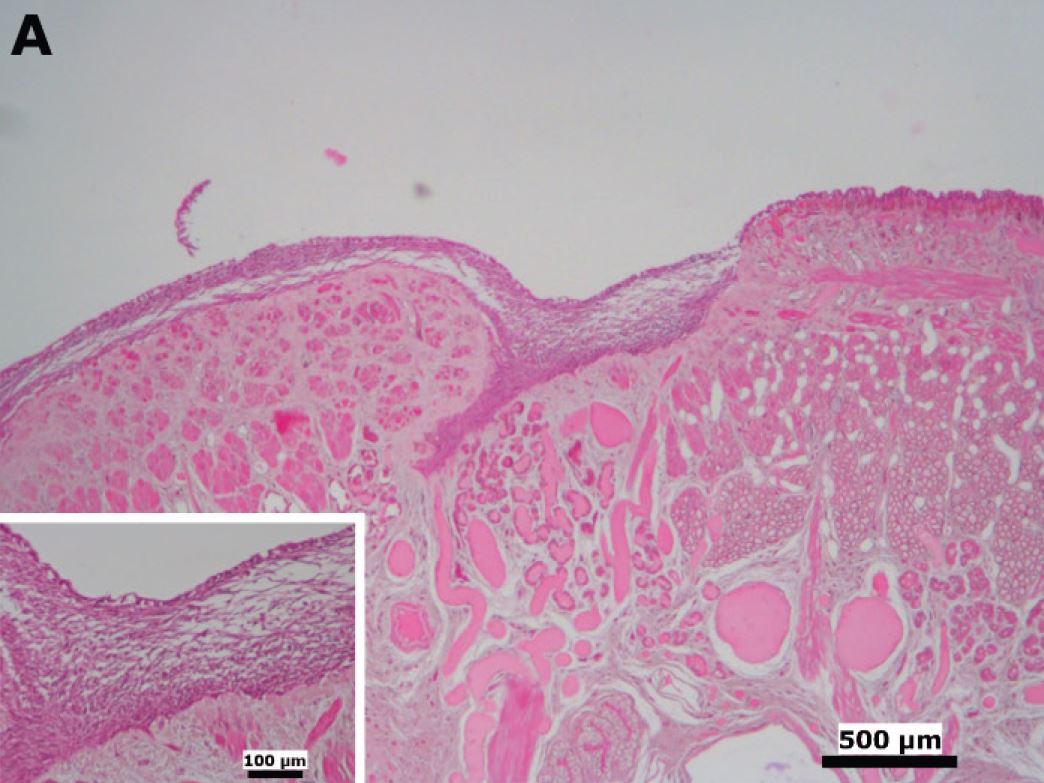
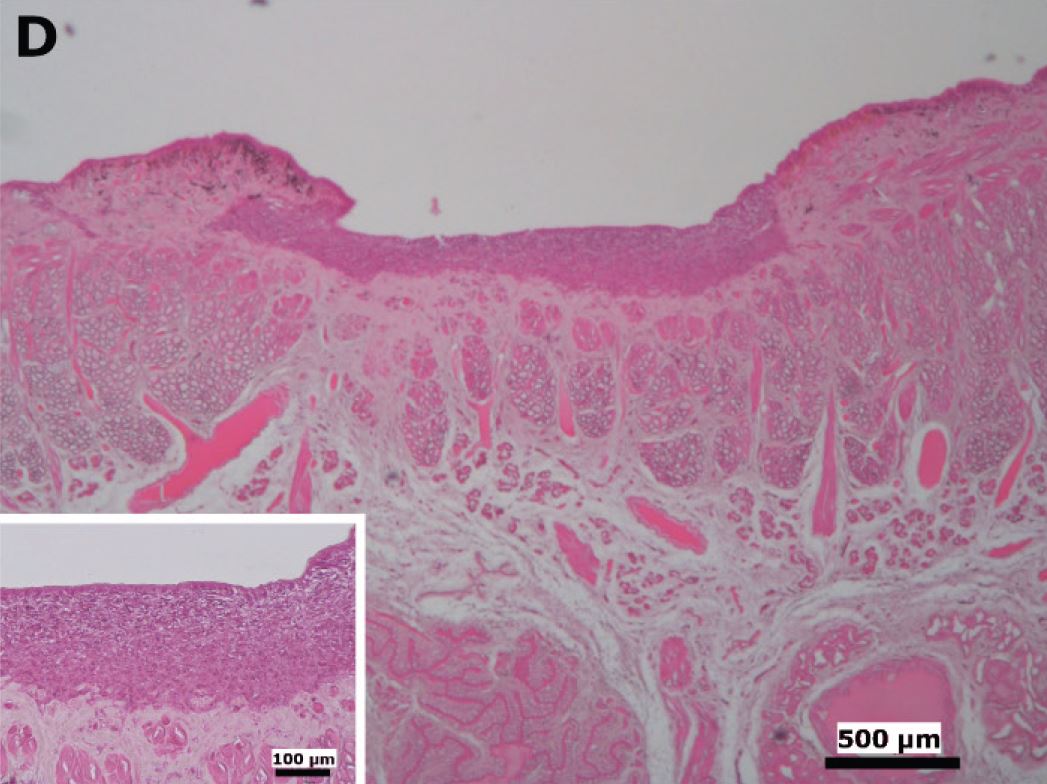
  • improved re-epithelialisation and a more organised tissue structure 
  • greater integration of the graft with the surrounding tissue
  • significant activation of fibroblasts (HSP47 and α-SMA markers) 
  • reduced fibrosis, indicating controlled inflammation 

Morphologically (as shown by the histological images in the study), tissue treated with the combined approach appears more similar to healthy tissue, with structural continuity and a well-organised extracellular matrix.

Testo a Destra
Immagine 60%/Testo 40%
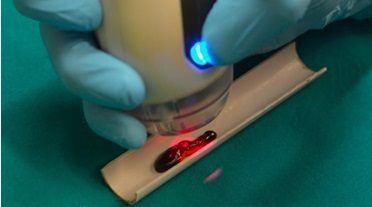
MiS laser-assisted wound care on a leech

Development of an in situ 3D bioprinting and laser-assisted wound care model: From leech regeneration to space medicine applications
G. Loi, M. Zaccara, F. Cialdai, C. Risaliti., G. Leggieri, L. Notari, D. Bani, M. Conti, M. Monici
International Journal of Bioprinting, 12(1), 2026

READ THE RESEARCH

Beyond the experimental model: clinical perspectives

The study introduces a concept relevant to clinical practice: integrating bioprinting and photobiomodulation to optimise healing.
Potential applications include:

  • difficult acute and chronic wounds 
  • deep ulcers and burns
  • resource-limited settings or extreme conditions 

Not surprisingly, the model was designed with scenarios such as space medicine in mind, where automatable, compact, and easily applicable solutions are required.

Continued research and therapeutic innovation

This study highlights a clear direction: wound management is evolving towards integrated, customisable, and biologically driven strategies.
This approach reflects research's commitment to translating preclinical evidence into increasingly effective and applicable therapeutic solutions.

You might also be interested in ...

See all articles

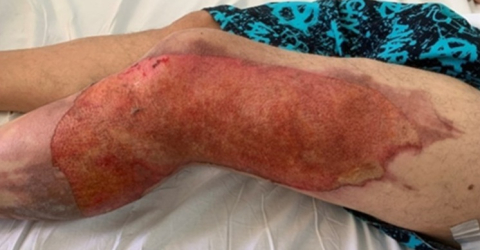
Post-burn lesion on the lateral surface of the lower limb
Blog - 24/06/2026
Severe burns are one of the most complex conditions to address in clinical and rehabilitation settings. Beyond the initial tissue damage, the recovery process can be long and challenging,...
MLS Laser Therapy anti-inflammatory effect
Blog - 18/06/2026
Photobiomodulation (PBMT) is an evolving field of research, with growing interest towards its biological effects on tissues, particularly in modulating inflammatory processes. A recent experimental...
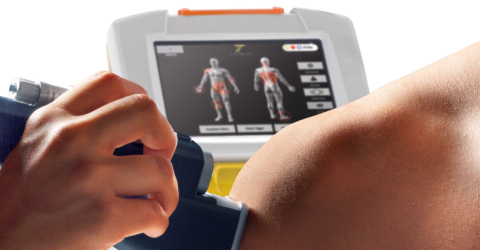
Shoulder laser treatment with HIRO TT
Blog - 08/06/2026
Photobiomodulation (PBMT) at 1064 nm is increasingly being studied in musculoskeletal disorders, particularly shoulder tendinopathies. A recent study published in the Journal of Clinical Medicine (...
Post-burn lesion on the lateral surface of the lower limb
Blog - 24/06/2026
Severe burns are one of the most complex conditions to address in clinical and rehabilitation settings. Beyond the initial tissue damage, the recovery process can be long and challenging,...
MLS Laser Therapy anti-inflammatory effect
Blog - 18/06/2026
Photobiomodulation (PBMT) is an evolving field of research, with growing interest towards its biological effects on tissues, particularly in modulating inflammatory processes. A recent experimental...
Shoulder laser treatment with HIRO TT
Blog - 08/06/2026
Photobiomodulation (PBMT) at 1064 nm is increasingly being studied in musculoskeletal disorders, particularly shoulder tendinopathies. A recent study published in the Journal of Clinical Medicine (...