
Near-Infrared (NIR) Photobiomodulation in bronchopulmonary dysplasia: new ASA data on inflammation and delivery parameters

18 June 2026 - Research

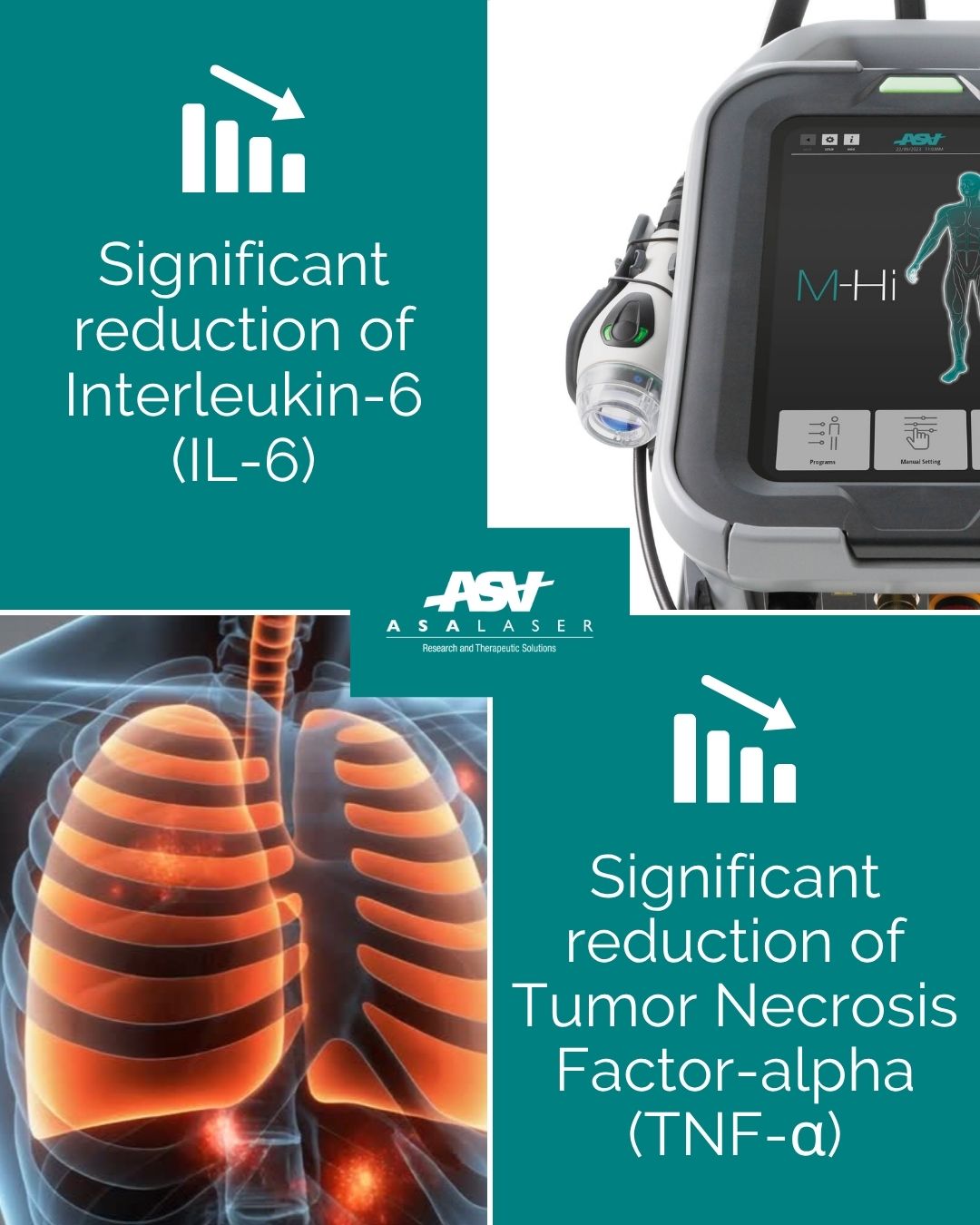
Photobiomodulation (PBMT) is an evolving field of research, with growing interest towards its biological effects on tissues, particularly in modulating inflammatory processes. A recent experimental study contributes to this context, further exploring the biological rationale of ASA laser technologies through the controlled evaluation of specific treatment parameters.

An advanced model for studying lung inflammation

The study analyses the effect of near-infrared (NIR) PBMT in an ex vivo model of bronchopulmonary dysplasia (BPD), using ASA devices based on MLS® (Multi-Wave Locked System) technology and lung tissue that preserves its architecture and biological complexity.
The primary endpoints considered are two key markers of inflammation:

  • IL-6
  • TNF-α

The objective is not to demonstrate the "generic" efficacy of PBMT, but to understand how specific energy delivery modes influence the biological response, specifically using MLS® Laser Therapy.

Testo a Destra
Immagine 30%/Testo 60%
Medical Sciences logo

Near-Infrared Laser Photobiomodulation reduces pro-inflammatory cytokines in an in vitro model of bronchopulmonary dysplasia: a preliminary report
C. Dani, C. Fazi, F. Cialdai, C. Risaliti, L. Notari, M. Monici
Medical Sciences, 14(1), 152; 2026

Read the research

Parameters compared: same energy, different delivery mode

Three protocols were tested with comparable energy density (~7 J/cm²), but varying:

  • exposure time 
  • power density

This approach allows isolating the role of the energy delivery mode, an aspect often underestimated in clinical practice.

Results: delivery mode matters

The data reveal several significant findings:

  • Protocols with lower power density and longer exposure times significantly reduce IL-6 and TNF-α 
  • The effect is most evident at 2 hours,with attenuation at 6 hours
  • For the same total energy, biological responses differ significantly 

In summary, a key concept emerges: it is not just the dose (energy density J/cm²) that determines the effect, but the way the energy is delivered.

Consistency with the biphasic model and ASA Research

These results fit consistently with the biphasic response model of PBMT, according to which:

  • stimuli that are too intense or too rapid can reduce biological efficacy 
  • a more gradual administration of energy can promote the modulation of inflammatory pathways 

The study also connects to an already established line of research:

  • previous proteomic evidence has suggested the involvement of regulatory proteins such as NLRP10
  • preliminary respiratory studies have indicated a possible anti-inflammatory effect in the lungs 

This work adds a significant element: it provides direct evidence, in a controlled model, of the modulation of key inflammatory markers.

Limitations and interpretation

It is important to contextualise the results:

  • in vitro/ex vivo, non-clinical model 
  • limited number of samples 
  • analysis of a limited number of biomarkers 

The study should therefore be considered exploratory and hypothesis-generating, but it represents a methodologically relevant step.

The evolution of photobiomodulation (PBMT) increasingly depends on a conscious and targeted management of parameters, supported by solid experimental evidence.

You might also be interested in ...

See all articles

Effect of NIR Laser Therapy by MLS‐MiS Source on Fibroblast Activation by Inflammatory Cytokines in Relation to Wound Healing
blog - 12/04/2021
The ASA device have an important anti-inflammatory effect, but it is also effective in controlling fibroblast activation induced by IL‐1β and TNF‐α, probably responsible for a detrimental effect on...
M8 laser treatment for pain due to COVID-19
blog - 09/04/2021
The results actually showed that patients undergoing MLS® Laser Therapy had a rapid recovery
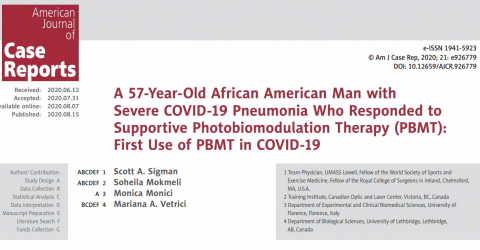
MLS Laser Therapy for the treatment of COVID19 pneumonia
blog - 24/08/2020
A very recent case report concerning the use of MLS® Laser Therapy supporting a patient suffering from severe pneumonia caused by Covid-19 reported a significant improvement in some basic parameters...

MLS Laser Therapy anti-inflammatory effect
Blog - 18/06/2026
Photobiomodulation (PBMT) is an evolving field of research, with growing interest towards its biological effects on tissues, particularly in modulating inflammatory processes. A recent experimental...
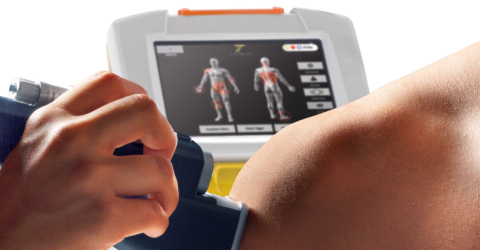
Shoulder laser treatment with HIRO TT
Blog - 08/06/2026
Photobiomodulation (PBMT) at 1064 nm is increasingly being studied in musculoskeletal disorders, particularly shoulder tendinopathies. A recent study published in the Journal of Clinical Medicine (...
Press - 26/05/2026
The Vicenza-based company is investing in under-30 talent to drive forward new, high-innovation projects. Over the past year, ASA has welcomed eight recent school leavers and graduates into the...