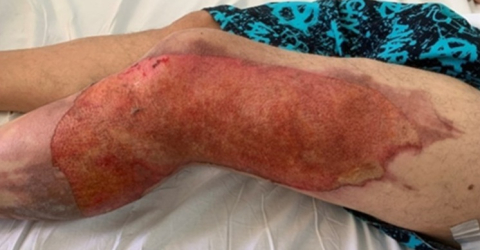


The management of complex wounds remains a significant clinical challenge, especially in cases of tissue loss, deep burns, or chronic conditions. Conventional treatments require repeated interventions, highly specialised skills, and high costs, with results that are not always optimal.
In this context, cutting-edge research is exploring integrated approaches capable of simplifying procedures and improving regenerative efficacy. A concrete example comes from a recent study combining in situ 3D bioprinting and NIR laser photobiomodulation, opening up new perspectives for wound care.
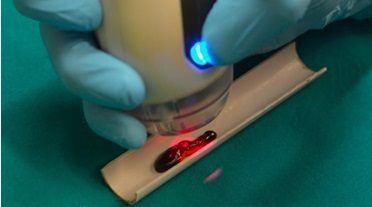
The study developed an innovative protocol based on four key steps:
The goal is twofold:
In the healing process, fibroblasts play a crucial role throughout all phases—inflammation, proliferation, and remodelling—coordinating the cellular response and the production of extracellular matrix.
In the model studied:
The integration of NIR laser therapy slots into this context as a key modulator of the wound microenvironment.
According to the study:
The effect is consistent with what is known about photobiomodulation, which acts at the cellular level to promote energy metabolism, proliferation, and the production of growth factors.
The comparison between the different experimental groups (bioprinting, laser, combination, and control) highlights a significant finding:


Specifically, the following were noted:
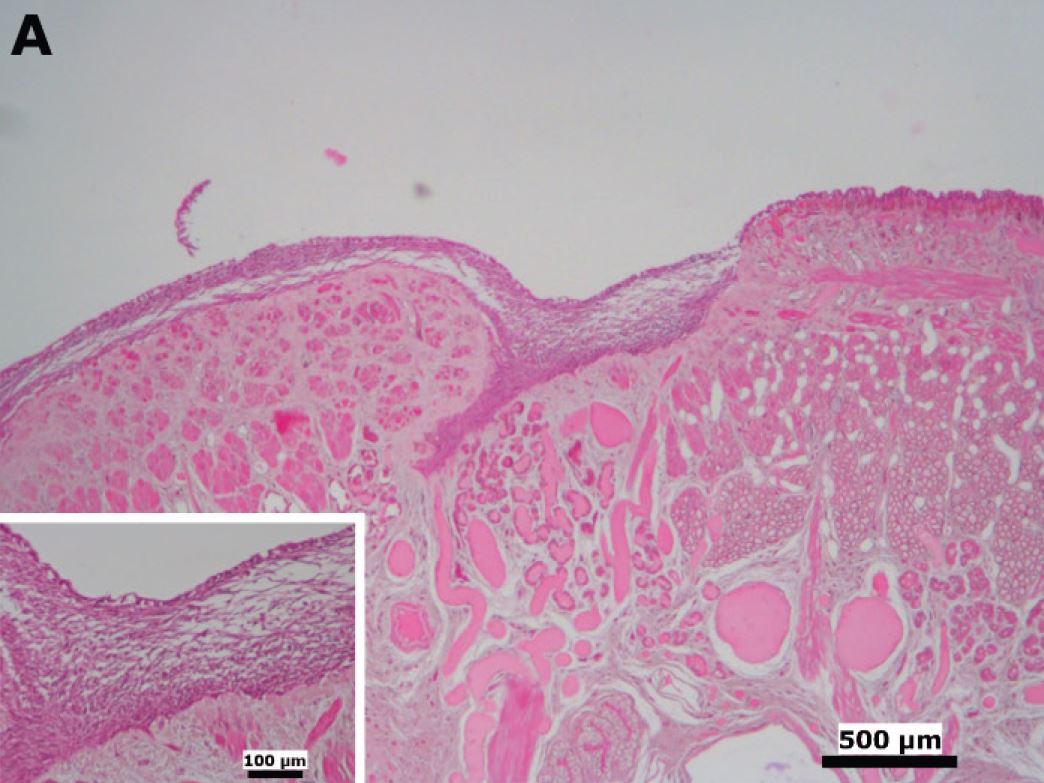
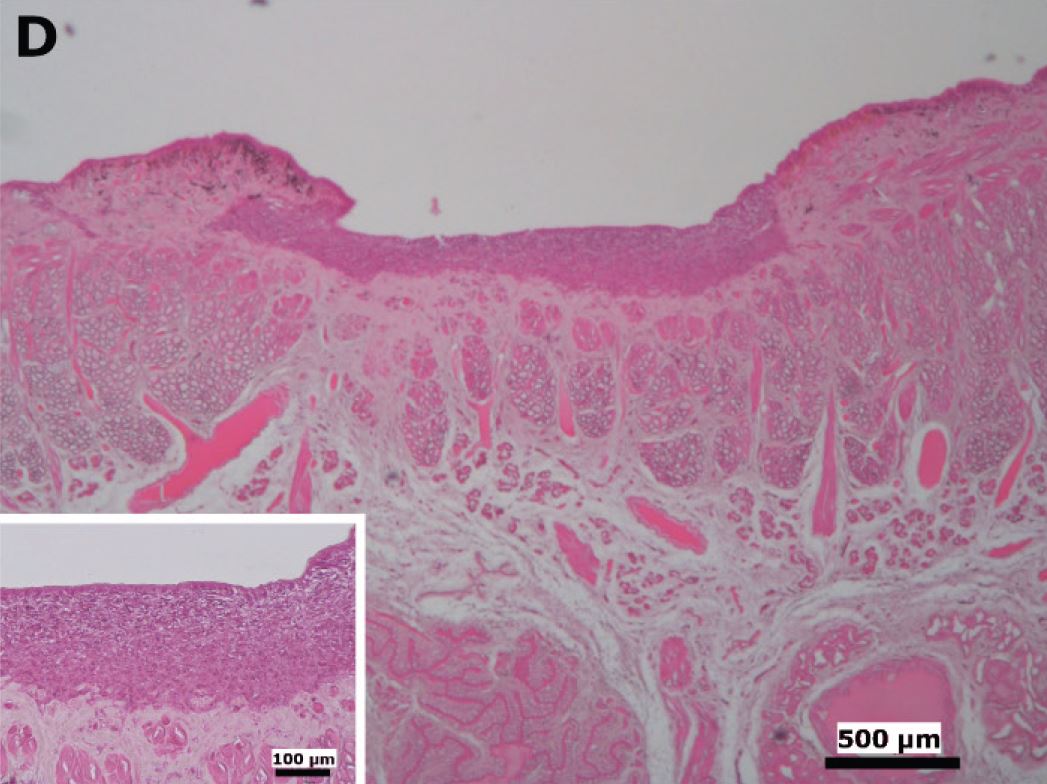
Morphologically (as shown by the histological images in the study), tissue treated with the combined approach appears more similar to healthy tissue, with structural continuity and a well-organised extracellular matrix.

Development of an in situ 3D bioprinting and laser-assisted wound care model: From leech regeneration to space medicine applications
G. Loi, M. Zaccara, F. Cialdai, C. Risaliti., G. Leggieri, L. Notari, D. Bani, M. Conti, M. Monici
International Journal of Bioprinting, 12(1), 2026
The study introduces a concept relevant to clinical practice: integrating bioprinting and photobiomodulation to optimise healing.
Potential applications include:
Not surprisingly, the model was designed with scenarios such as space medicine in mind, where automatable, compact, and easily applicable solutions are required.
This study highlights a clear direction: wound management is evolving towards integrated, customisable, and biologically driven strategies.
This approach reflects research's commitment to translating preclinical evidence into increasingly effective and applicable therapeutic solutions.


L'accesso alla visualizzazione dei prodotti e al materiale informativo è riservato agli operatori del settore in ottemperanza alla legislazione vigente. ASA richiede di qualificarsi come operatore del settore per procedere con la navigazione.
Decreto Legislativo 24 febbraio 1997, n°46 Articolo 21
1. E' vietata la pubblicità verso il pubblico dei dispositivi che, secondo disposizioni adottate con decreto del Ministro della Sanità, possono essere venduti soltanto su prescrizione medica o essere impiegati eventualmente con l'assistenza di un medico o di altro professionista sanitario.
2. La pubblicità presso il pubblico dei dispositivi diversi da quelli di cui al comma 1 è soggetta ad autorizzazione del Ministero della Sanità. Sulle domande di autorizzazione esprime parere la Commissione di esperti prevista dall'articolo 6, comma 3, del decreto legislativo
30 dicembre 1992, n. 541, che a tal fine è integrata da un rappresentante del Dipartimento del Ministero della Sanità competente in materia di dispositivi medici e da uno del Ministero dell'Industria, del commercio e dell'artigianato.
Some of the contents of this website cannot be disclosed in the USA and its territories and possesions, for regulatory reasons. If you are a US resident, please click on the button here below and access ASA's distributor website for North America.